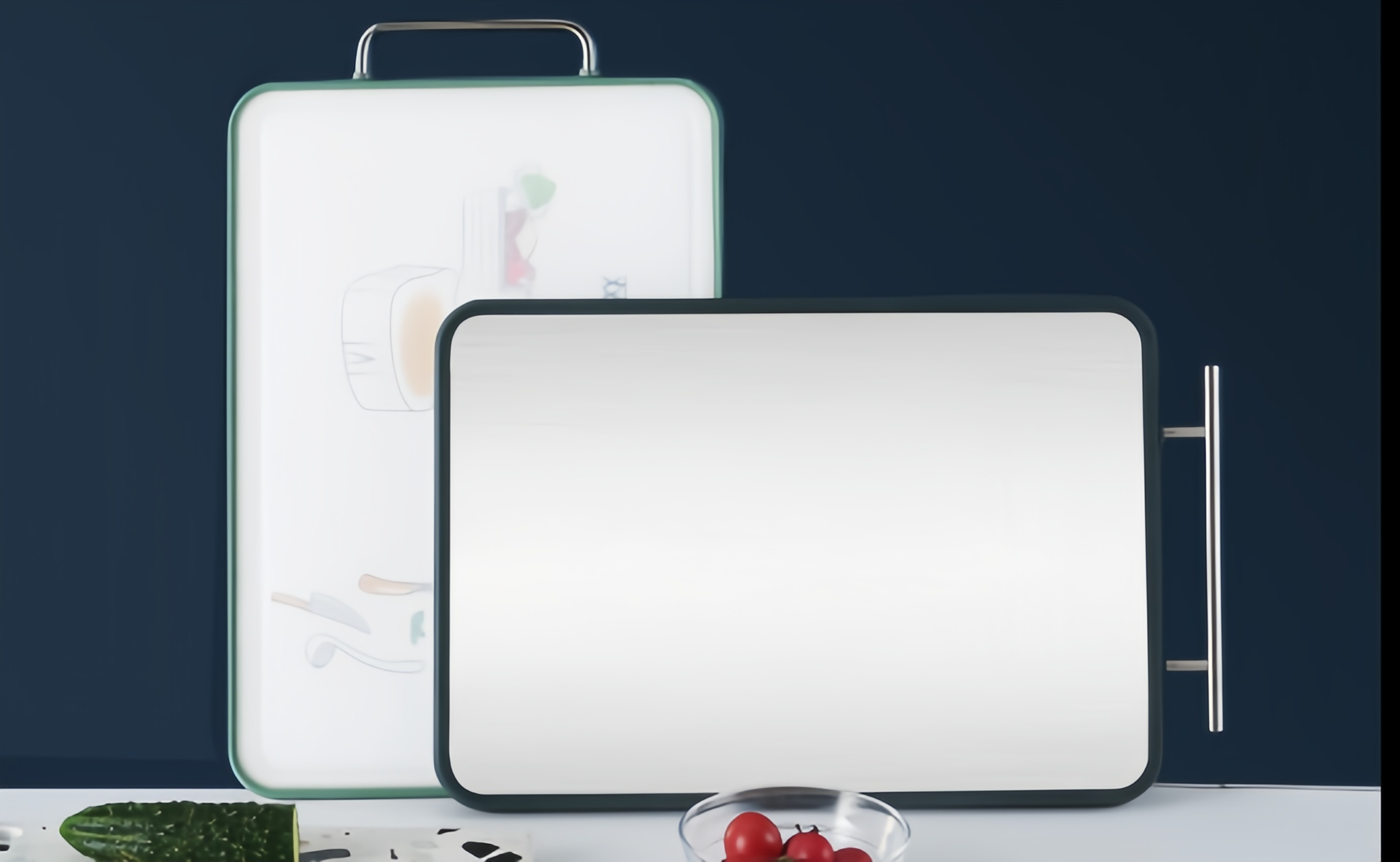
 A basic cutting slab is a basic utensil throughout household kitchens. It grants a solid and safe area to ready ingredients, and the best choice elevates your meal prep experience. Considering the many alternatives offered, figuring out the first step might be tricky. Rest easy — this resource walks through important selection criteria for your chopping board.
Start by reviewing the available board materials. Standard choices are wooden, bamboo, plastic, and glass surfaces. Each option brings distinct advantages and drawbacks. Wood cutting surfaces are durable and naturally hygienic but must be oiled regularly. Bamboo provides a green alternative that balances lightness with strength. Plastic prep boards are cheap and straightforward to clean but may abrade knives sooner. Glass boards are scratch-resistant and dishwasher safe, but can be heavy and breakable.
Subsequently, contemplate the dimensions suitable for your prep. A compact board handles light tasks like herb/garlic chopping, while a larger board creates more working space for slicing vegetables or preparing meals. Consider your countertop available as well.
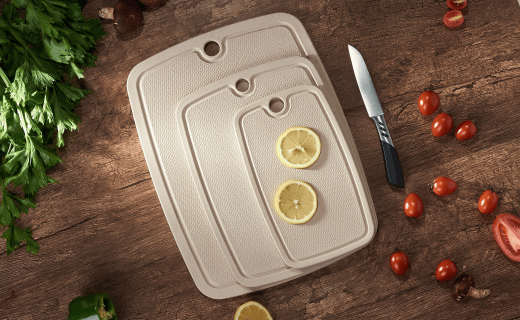
Lastly, keep design in mind. An elegant chopping surface enhances your kitchen’s personality. Pick a cutting surface that suits your kitchen’s decor and your tastes.
Plastic, Wood, Bamboo: The Cutting Board Debate
Selecting a cutting board sparks a long-running argument among plastic, wood, and bamboo advocates. Every option carries distinct perks, creating a tricky choice for cooks at home. Plastic cutting boards are known for their durability and ease of cleaning, while wood boards offer a more natural feel and can be sanded and refinished over time. Conclusively, the best selection relates to your personal cooking patterns.
Consider factors such as frequency of use, type of cutting tasks, and personal preference when making your decision.
- Synthetic boards are generally lighter and cheaper compared to wooden boards
- Wooden cutting slabs usually have appealing appearance and longer lifespan with upkeep
- Silicone cutting mats offer flexibility and resist stains though they might lack the durability of polymer or timber
Best 5 Boards for Cooking Champions
If you’re a kitchen master, you understand a top board is necessary. It acts as your culinary work center for veggies, meats, and more. Even so, many options make selecting the right one a dilemma. No worries, fellow gourmets — we’ve researched and picked five boards to up your culinary craft.
- Top of the list is...
- Second choice is...
- Also on the list is...
- Also remember is...
- Rounding out is...
Preserving Board Sanitation: A Manual
A cutting board is fundamental and needs correct maintenance to ensure safety and lifespan. Frequent washing helps limit harmful bacterial spread.
To keep your cutting board in top condition, consider these simple tips:
- Wash the cutting surface with hot, soapy water after each use.
- Sterilize using a gentle bleach dilution or a food-safe disinfectant.
- Make sure the board is fully dry before storing it.
- Store the board upright in a ventilated place to prevent moisture buildup.
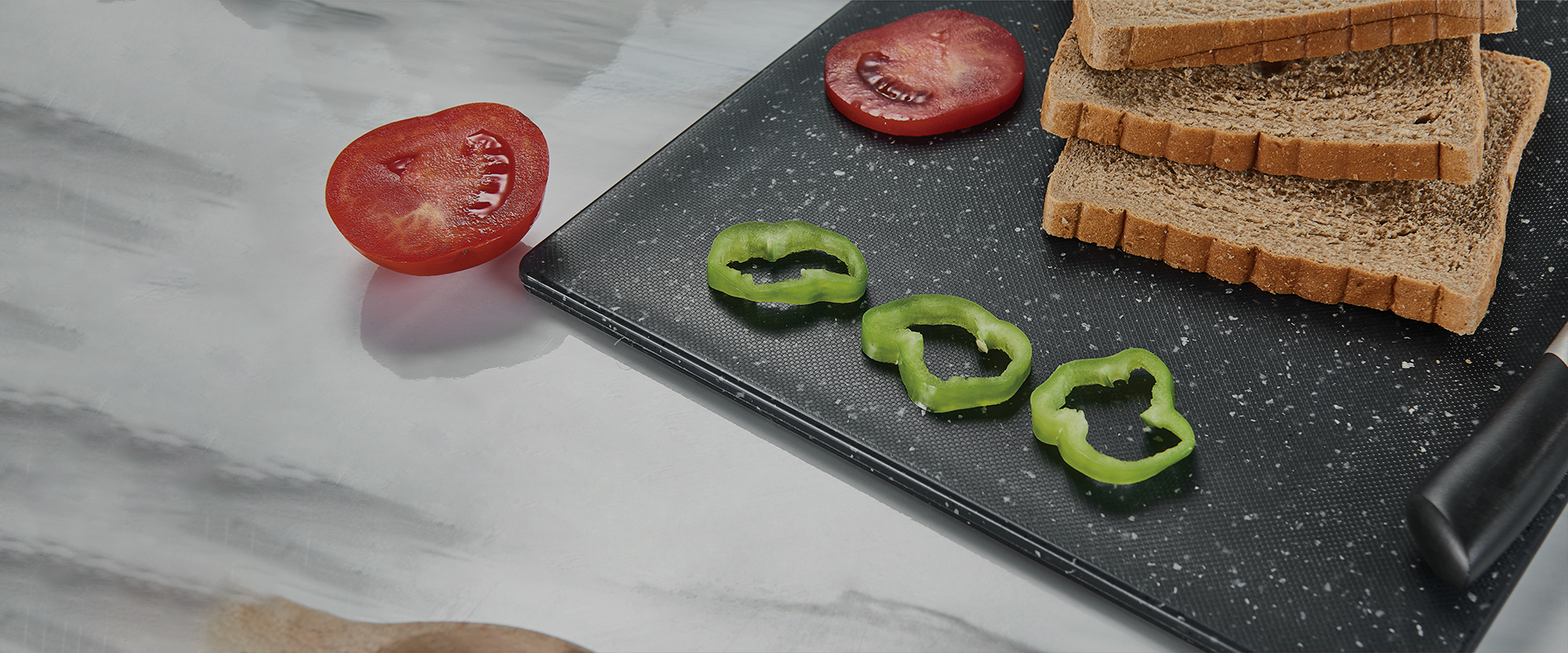
Sharpening Techniques for Knives on Cutting Boards
Acquiring a keen blade edge on a board requires deliberate technique over random motions. It’s a careful interplay of consistent pressure and the right bevel angle. Begin with placing the sharpening tool at the correct, steady angle against the edge. Move the tool along the knife’s length, sustaining the same angle with each pass. Remember to use steady technique, not raw power, with smooth controlled strokes. As you sharpen, you'll feel a noticeable change in the blade's texture—it will become smoother and less prone to catching. Trial various methods to determine what yields the best sharpened edge for your knife and sharpener. When perfected, the keen edge will slice smoothly and improve your food prep enjoyment.
Handcrafting Cutting Boards for Chefs
We highlight Boardcraft Essentials, a prominent producer devoted to crafting excellent cutting boards. With generations of know-how, they turn raw wood into useful and beautiful kitchen companions. Their quality focus shows in sourcing responsibly harvested timber and employing advanced building methods.
Every cutting surface is a one-of-a-kind piece showcasing natural grain patterns. They sell multiple styles and sizes to serve every purpose, from compact prep boards to large butcher blocks.
- Additionally, Artisan Block Co. stocks accessories like attractive knife blocks and conditioning oils to extend durability.
- Should you desire a top-quality board that becomes a kitchen staple, Artisan Block Co. is an excellent choice.
Robust & Stylish: Today's Cutting Board Innovations
Raise both kitchen design and performance with contemporary cutting boards. No longer just plain and bulky, contemporary boards present advanced materials and shapes that match any kitchen. Produced from resilient hardwoods like walnut or maple, these boards endure regular use and add countertop sophistication. From rectangular standards to creative geometric shapes, boards match any personal taste.
- Pick among different finishes to match your kitchen’s design.
- Select boards offering juice grooves to simplify cleaning tasks.
- Invest in a well-made cutting board intended to last for years.
Custom Cutting Board Manufacturers
Sustainable and Green Cutting Board Alternatives
When buying a new board, consider environmental effects. Environmentally conscious boards are made from renewable materials such as bamboo, sustainably sourced wood, or recycled polymers. Such choices cut your footprint while supporting long-term planetary health.
- Go for bamboo, a quickly renewable and resilient material.
- Pick timber sourced from responsibly managed forests.
- Think about boards made of reclaimed plastic to divert waste from landfills.
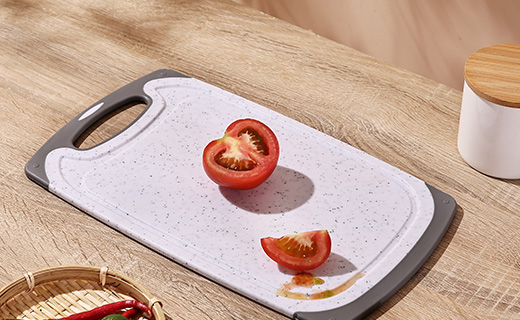
Avoid Marks: Material Guide for Cutting Boards
Material matters most when choosing a cutting surface. A long-wearing, stain-resistant board cuts down on cleaning hassles. Timber prep boards are rustic though prone to absorbing scents and stains. Bamboo hits a balance between sturdiness and natural antimicrobial behavior. Plastic is affordable, but it can scratch easily. Glass prep surfaces provide a sleek look but are brittle and can chip. Consider your needs and preferences when choosing the perfect cutting board for your kitchen.
Avoiding Board Accidents: Practical Tips
Maintaining boards well supports safe culinary preparation. Make it a rule to sanitize boards before and after each usage. Maintain different boards for raw animal products to prevent cross-contamination. Steer clear of cutting at the board edge to avoid cracks that breed bacteria. Replace the cutting board if it acquires deep cuts or fissures.
- Always slice on a secure surface.
- Keep blades honed to minimize slip-related accidents.
- Wash hands carefully with soap and water following raw food contact.
Elevate Your Kitchen Game with a Premium Cutting Board
A superior board delivers more than mere vegetable chopping capability. It's an investment that can transform your culinary experience. Engineered from tough and aesthetically pleasing hardwood or bamboo, boards are long-lived. Their flat surfaces support accurate cutting and their stylish forms enhance kitchen visuals.
- A premium cutting board can improve the precision of your knife work.
- Safeguard countertops from cuts and wear.
- Present your cooking flair with an elegant and practical chopping board.
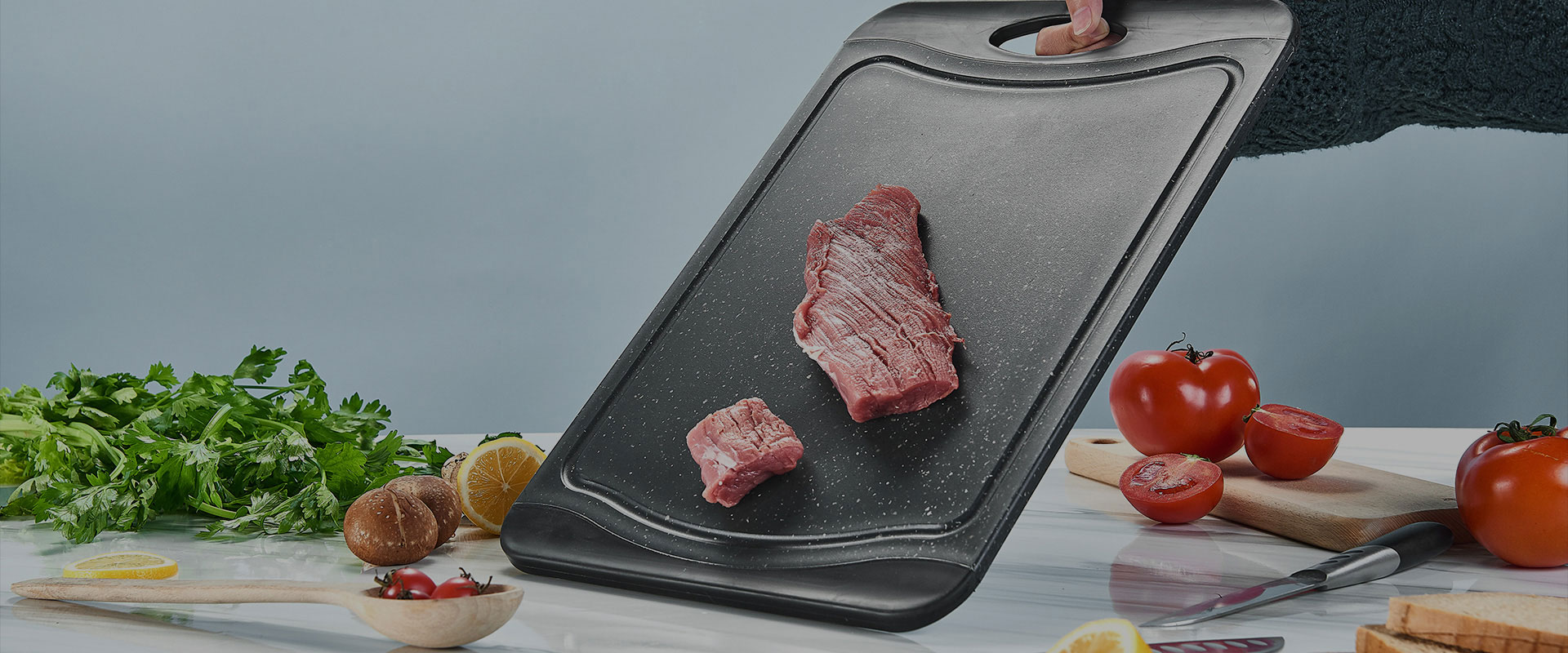
Comments on “EU compliant quality assured food prep surface”